Introduction
In intensive farming, attention is often focused on nutrition, genetics, and productivity. Yet a less visible — but equally critical — dimension plays a decisive role in animal welfare: the microclimate. Air quality, ventilation, and the control of temperature and humidity are silent factors that can determine the health — or vulnerability — of an entire farm.
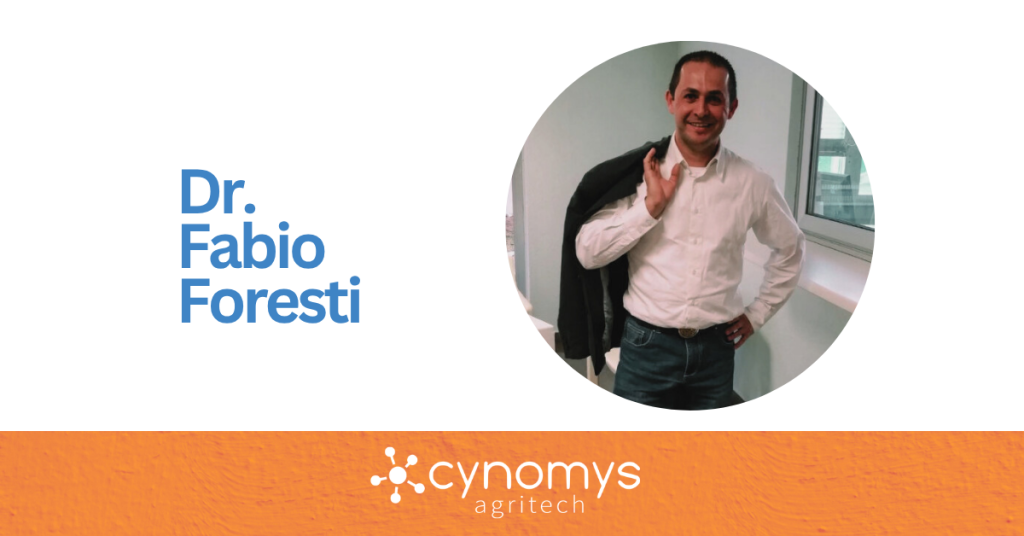
To explore these issues, we spoke with Dr. Fabio Foresti, a veterinarian with extensive field experience at Allevamenti di Nerviano – Fumagalli Industrie Alimentari. In this conversation, Foresti highlights often overlooked challenges, practical solutions, and the future pressures facing the sector, offering a grounded perspective on how environment, technology, and sustainability are reshaping both farming practices and the role of the veterinarian.
Environment and Animal Health
Over the years working closely with farms, what has been the most significant change in the relationship between the farming environment and animal health?
I have seen some changes, although limited to certain farms. In particular, the introduction of forced ventilation and timed water spraying — especially during the summer — has partially improved environmental conditions.
The Hidden Role of Air Quality
There is a lot of discussion about nutrition and genetics, but less about air quality. How important are parameters such as ammonia, particulate matter, and CO₂?
They are extremely important. They are closely linked to the onset of disease. The issue is that there is still no widespread, continuous monitoring of these parameters. In addition, efficient systems to regulate gas concentrations are often lacking.
Air exchange itself is not easy to manage: it varies depending on the season and the structure of the buildings, and it can significantly affect temperature and humidity inside the barns.
Invisible Problems, Real Consequences
Can you share a case where an “invisible” problem had significant effects?
I have observed differences in the occurrence of certain diseases between summer and winter in naturally ventilated barns. In winter, air exchange was limited, and this had a clear impact on animal health.
Heat Stress and Practical Solutions
Summers are becoming increasingly hot. What do you observe in animals under heat stress?
Animals seek relief and, as a result, tend to reduce their feed intake. This has a direct impact on growth and productivity.
An effective solution I have seen is the use of timed large-droplet water spraying in the pens, which helps reduce heat stress.
Data and Microclimate Monitoring
Today it is possible to monitor almost everything in real time. How important is it to have constant data on the microclimate?
It is essential. Data is the starting point. However, it is equally important that all stakeholders understand how to interpret this data and have the tools to act on it.
In some cases, structural limitations of the buildings represent a significant obstacle to restoring optimal conditions.
Technology and the Role of the Veterinarian
Artificial intelligence and predictive systems: support tools or a replacement for the veterinarian?
They will be support tools. They will enhance the veterinarian’s role and enable the development of precision livestock farming, where data can predict the state of animal welfare or distress.
Transparency and Consumer Communication
In France, there is an animal welfare labeling system. What is your view on this?
Anything that increases transparency towards consumers is positive. However, I have some doubts about the criteria and the entities responsible for assigning these ratings, as well as the potential consequences for farmers.
Sustainability: Vision or Reality?
Farms that give back to the environment: utopia or reality?
It is a concrete path, but it requires innovation and, above all, economic sustainability. In Italy, we will also face a significant decline in labor, which could complicate this transition.
When Welfare Becomes an Economic Advantage
Sustainability is often seen as a cost. Are there cases where it has become an economic advantage?
Yes. Investments in biosecurity — both internal and external — and in disease prevention generate tangible economic returns.
Reducing animal density is another key factor for welfare, but it is more difficult to reconcile with economic sustainability.
Looking Ahead to 2036
Looking ahead to 2036, what will be the main challenge?
There will be two main challenges: addressing infectious diseases — also linked to climate change — and integrating technology into daily management, especially to compensate for labor shortages.
Conclusion
This interview with Dr. Foresti highlights a reality that is often overlooked: in modern farming, what cannot be seen can make all the difference. Microclimate, air quality, and environmental management are no longer secondary aspects, but central elements for animal health and economic sustainability.
Between technological innovation, climate change, and new production demands, the future of livestock farming increasingly depends on the ability to read, interpret, and manage complex data. In this context, the role of the veterinarian is not reduced but transformed: from observer to orchestrator of increasingly sophisticated systems.