Guest post by Manuel Navarreta, ESG & Sustainability Specialist at Uyolo SRL
Introduction
RSPCA Assured is the certification program created by the Royal Society for the Prevention of Cruelty to Animals to ensure animal welfare throughout the entire production chain: farming, transport, handling, and slaughter. It stands out from other European schemes because it combines species-specific technical standards, unannounced audits, and advanced requirements for CCTV surveillance in slaughterhouses. The logo can only appear on a product when every actor in the supply chain is fully compliant, preventing any discrepancy between what the label promises and the actual living conditions of the animals. This approach reduces the gap between promise and practice—one of the most common issues in animal-welfare labeling.
Scope of the scheme
One of the central aspects of RSPCA Assured is its “whole-chain” vision: compliance must accompany the animal from birth to slaughter, ensuring traceability and consistency. Technical standards are drafted by the RSPCA’s scientific unit, while audits are performed by qualified assessors. Severe non-conformities may result in suspension or withdrawal of certification. A core element of the programme is the chain of custody: a certified product must come entirely from compliant operators, with no exceptions. Standards often go beyond legal requirements and include principles such as the abolition of cages for laying hens, the gradual phasing-out of farrowing crates for sows, increased usable space, species-specific enrichment, clinical protocols with analgesia, and mandatory stunning.
The scheme covers a wide range of species: broilers, turkeys, ducks, laying hens, pigs, cattle, sheep, and salmonids. For each species, a dedicated technical document outlines objectives, structural requirements, management practices, clinical procedures, and operational guidelines.
How audits work
Audits are frequent, technical, and designed to evaluate outcomes observable directly on the animals. Each site is inspected at least once per year, with the option of unannounced visits—used especially in high-risk phases. Audit types include full assessments, follow-up visits, and documentation checks.
The audit process consists of several stages: preparation, on-farm inspection, verification of records, and closure with corrective actions. During on-site assessment, the auditor observes animals and their environment: microclimate, hygiene, equipment functionality, behaviours, handling techniques, and interviews with staff. Records are compared with field observations, for example, declared mortality rates must match slaughterhouse data.
Non-conformities are classified into three levels: critical (direct impact on animal welfare), major (significant deviations requiring prompt correction), and minor (issues without immediate welfare impact). Possible outcomes include maintaining certification with corrective actions, scheduling follow-up visits, temporary suspension, or revocation in the most serious cases.
What is assessed: the technical requirements
RSPCA Assured standards combine structural, managerial, clinical, and process-related requirements.
Structural requirements include available space, floor quality, ventilation, natural light, water points, enrichment materials, and equipment designed to minimise stress.
Management requirements concern group stability, mixing criteria, hygiene protocols, biosecurity, emergency procedures for extreme weather, and staff training.
Clinical requirements include assessment of invasive procedures with analgesia, traceability of treatments, and prudent use of antimicrobials.
For transport and slaughter, standards require shorter journey times, low-stress loading/unloading, mandatory stunning, and verification of stunning effectiveness.
Species-specific examples
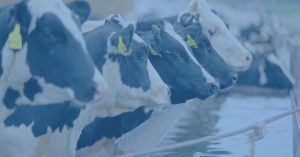
- Beef cattle: assessment of lesions, surface quality, locomotion scores, microclimate in lairage areas, and fitness-for-transport criteria.
- Laying hens: cage-free systems, monitoring feather coverage, managing stocking density, light, and enrichment to reduce injurious pecking.
- Broilers: quality of litter, ventilation, and systematic monitoring of indicators such as mortality and breast lesions.
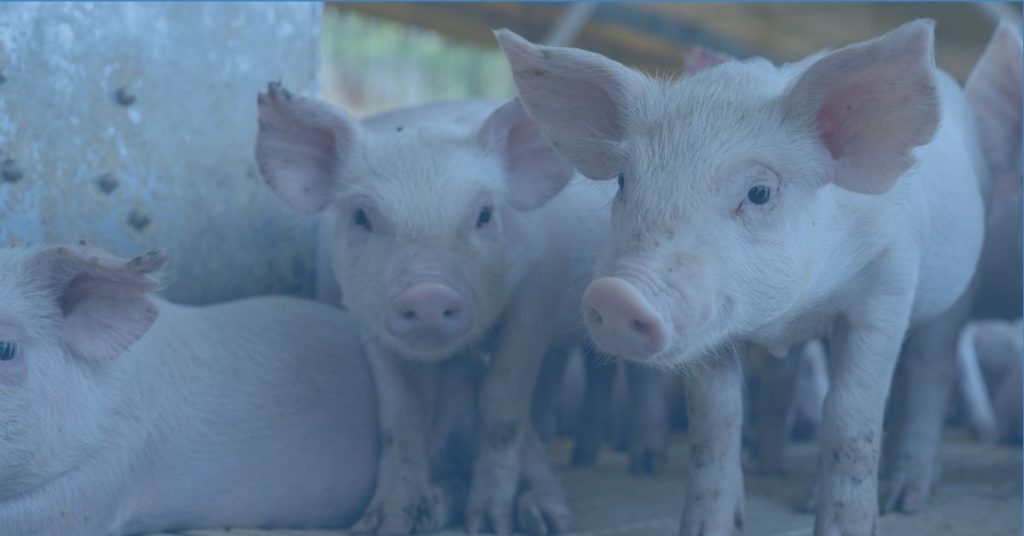
- Pigs: mandatory enrichment, ban on tail-docking, monitoring of sows in gestation and farrowing, and low-stress handling with prohibition of painful tools.
Transparency, CCTV, and potential improvements
Over the years, the scheme has faced media scrutiny, which ultimately strengthened it, pushing for higher transparency. Today, RSPCA Assured publishes key indicators useful for the supply chain: species-specific outcome data, number of non-conformities per audit, average time required to close corrective actions, percentage of transports within set time and distance limits, and proportion of slaughterhouses equipped with CCTV in critical areas.
A useful improvement would be the periodic publication of aggregated audit data to provide a clearer overview of inspection trends. Another potential development concerns resource allocation: analysing historical non-conformities could help concentrate more audit time in areas with higher probability and severity of risk.
CCTV, already mandatory in slaughterhouses, could be expanded as a proactive tool for prevention, training, and error reduction: in unloading areas, handling corridors, stunning boxes, bleeding zones, and, for salmonids, holding tanks before stunning. Extending CCTV coverage would bring tangible benefits but also requires financial investment, meaning public-sector support could play a key role.
Conclusions
RSPCA Assured functions as a governance system rather than a simple certification. It integrates scientific, species-specific standards, a rigorous audit machine, and a supply-chain requirement that binds the use of the label to the compliance of all operators involved. Its added value lies in shifting the focus from bureaucratic compliance to real outcomes observable on animals and in using video surveillance as an objective tool in critical phases.
Increasing transparency, adopting risk-based auditing, and gradually standardising monitoring tools have made RSPCA Assured the most reliable and widespread animal-welfare certification in the UK. Future developments—especially in reporting and extended CCTV coverage—can further strengthen the programme’s impact, consolidate consumer trust, and improve animal welfare across the entire production chain.
Take the first step toward a better future, click below for a demo.
https://www.uyolo.io