
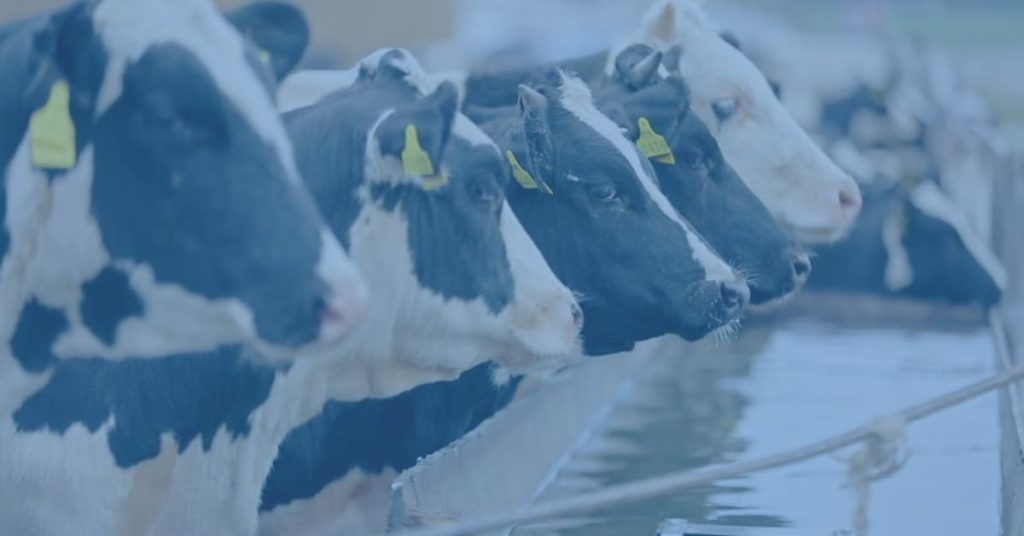
In the summer months, temperatures increase and so do heat stress issues on livestock farms. That of heat stress is a problem that affects different types of livestock farms and has an impact on production related to farm animals.
In particular, we look at how heat, with high temperatures and humidity, affects the welfare and productivity of dairy cows and how and what are the best strategies to prevent heat stress on dairy farms.
At how many degrees does the dairy cow suffer from heat?
Speaking of temperatures, the dairy cow starts to suffer from heat as early as a temperature above 20° with humidity conditions above 80%. In fact, the ideal temperature for a dairy cow is between -5 and 18/20°. The factors that generate heat stress in dairy cows are, therefore, the sudden rise in temperatures (above +20°) and increased humidity.
The level of heat stress thus depends on the combination of these two factors: temperature and humidity, which determine a bioclimatic index called THI (Temperature and Humidity index). Levels range from no stress (with temperature no higher than 26 degrees and humidity within 30 percent) to lethal (with temperatures over 38 degrees and humidity at 90 to 100 percent).
What are the effects of heat stress on dairy cows?
The impact of heat stress on animal welfare and health also affects their activities and productivity. Among the main effects of heat stress is a significant reduction in intake: reduced rumination causes a decrease in nutrient absorption, resulting in an increase in the energy required by basal metabolism. The consequence is a drop of up to 50 percent in milk production and lower fat and protein levels.
In addition, in response to heat, the cow is physiologically inclined to increase its respiratory rate and salivation; the animal’s panting is therefore symptomatic of heat stress and is accompanied by increased water consumption.
Heat stress also has an impact on rest: cattle in heat stress lose about 3 hours of rest as it is easier to breathe and dissipate heat by standing.
Other consequences of heat stress include a decreased rate of conception resulting in a longer intrapartum period.
Read also: Sindrome Respiratoria Bovina. Di cosa si tratta
Prevention of heat stress in dairy cows
Breeders, veterinarians, nutritionists and barn technicians are paying particular attention to measures that can help prevent heat stress in the warmer months.
Power supply
First, nutritional strategies can be put in place that include reformulation of the ration with a distribution mainly in the early morning and late evening hours to reduce heat load and a diet that supplants the higher energy consumption.
Water needs
Water consumption can increase considerably when cows are under heat stress and can be as high as 200 liters per day (the amount of milk production multiplied by 4). Accessibility to water and constant monitoring of water quality and cleanliness are two ways to prevent the negative effects of heat and thus help the animal during this phase.
Environmental monitoring
Air quality monitoring at housing sites helps to prevent heat stress and strategically intervene on environmental factors through natural or mechanical ventilation, cooling and dehumidification systems, such as gargoyles that can also be activated in conjunction with the heat stress index (THI).
Such preventive measures are applicable to all production premises, but they are important as early as the heifer, even in the dry period or heifers when all environmental parameters contribute to the welfare of the cow and affect its growth, milk production and milk quality. In conclusion, productivity depends on animal welfare, and heat stress is among the factors that have the greatest impact on declines in animal production and mortality.


